
Self-warming cat beds are the safer default for most healthy adult cats because they use no electricity, no cords, and no external heat source — they simply reflect your cat’s own body heat back with a mylar or thermal insert. Electric heated cat beds are safe too when they’re thermostat-controlled and safety-certified (UL/MET), and they’re the better pick for senior, arthritic, thin, or very young cats who can’t generate enough warmth on their own. The right answer depends on your cat, not the bed.
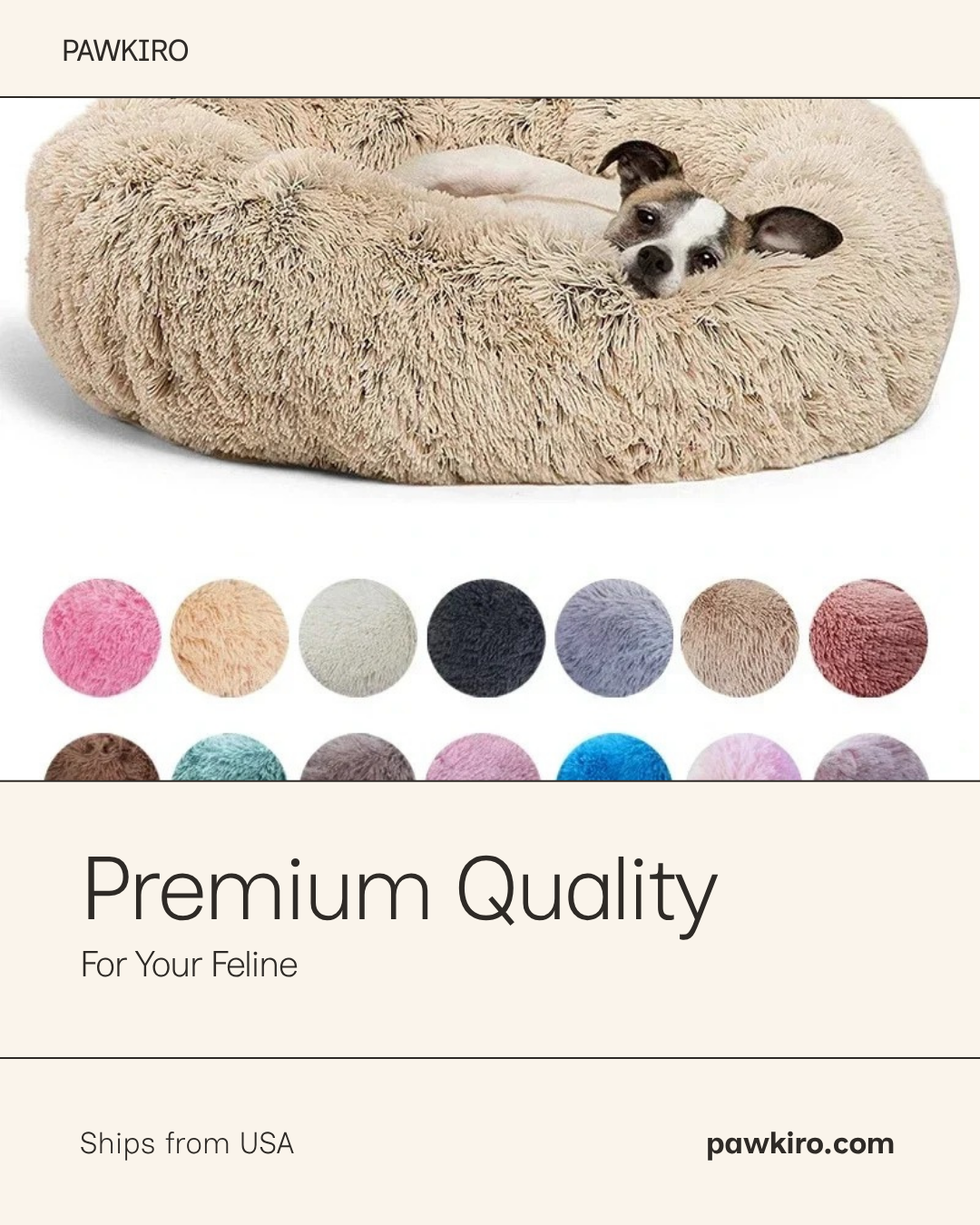
What’s actually the difference?
Both bed styles solve the same problem — a cat who wants a warm spot — with very different mechanics.
A self-warming bed is a regular padded bed with a reflective layer (usually mylar) sandwiched inside the base or under the top cover. When your cat curls up, the layer bounces roughly 90% of her radiant body heat back at her, so the interior of the bed slowly climbs to about 5–10°F above room temperature. There is no power source, no timer, and nothing that can short-circuit.
A heated cat bed uses a low-wattage electric element (typically 4–6W for a small pad, up to 20W for a full bed) with a thermostat that targets your cat’s normal skin temperature — around 102°F. Good ones warm only when your cat is on them (pressure- or body-heat-activated) and cap the surface temperature so it can’t run hot.
Which is safer, really?
Self-warming beds win on pure safety: nothing to plug in, nothing to overheat, nothing to chew through. Rover’s expert roundup and Catster both point to self-warming beds as the sensible default when you’re worried about cord-chewers, kittens, or leaving heat unattended. There’s no scenario where a self-warming bed catches fire.
Heated beds are safe when three things are true: the bed is MET- or UL-certified, the thermostat is internal (not on a dial you can crank up), and the cord is steel-wrapped or chew-resistant. Skip anything that looks like a repurposed human heating pad — those top out around 160°F and can cause contact burns on a cat who won’t move.
How cold is too cold for cats?
A short direct answer: most healthy indoor cats are comfortable down to about 60°F (15°C). Below 50°F (10°C), even short-coated adults start seeking extra warmth. Below 45°F (7°C), kittens, seniors, thin cats, and hairless breeds like Sphynx need supplemental heat — a self-warming bed may not be enough on its own.
If your home sits at 68–72°F in winter, a self-warming bed near a sunny window is usually plenty. If your bedroom drops to the 50s overnight or you turn the heat off during work hours, a thermostat-controlled heated pad is the more humane choice for older or arthritic cats.
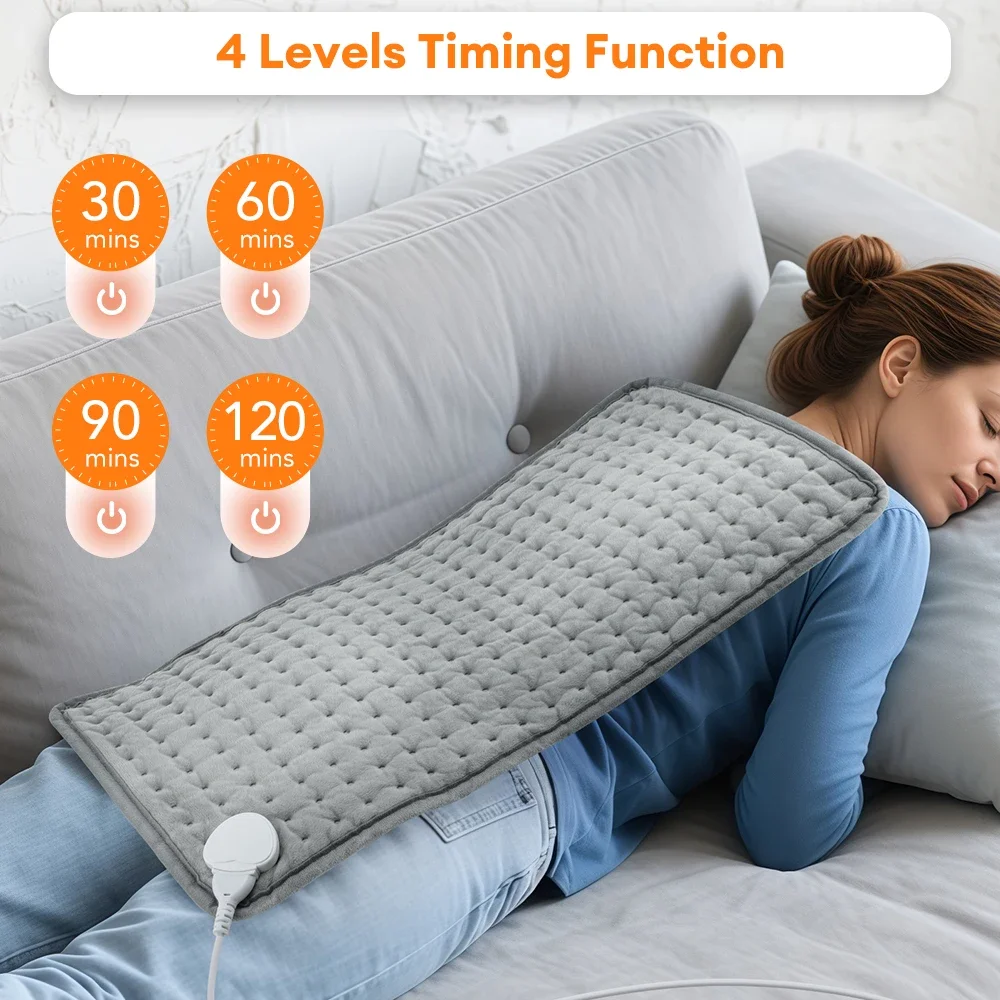
Quick comparison
| Feature | Self-Warming Bed | Heated Bed |
|---|---|---|
| Power source | None — reflects body heat | Wall outlet or USB |
| Cord risk | None | Chew-proof cord recommended |
| Max surface temp | ~5–10°F above room | ~102°F (thermostat capped) |
| Best for | Healthy adults, chewers, kittens with siblings | Seniors, arthritis, thin/hairless cats, cold rooms |
| Leave unattended? | Yes, always | Only if UL/MET certified with auto-cap |
| Typical wattage | 0 W | 4–20 W |
When a self-warming bed is the right call
Pick a self-warming bed if any of these describe your household:
- Your cat is a healthy adult (1–8 years) who already seeks out sunny spots.
- You have a kitten who chews cords — kittens explore with their teeth for months.
- Your indoor temperature stays above 60°F year-round.
- You want a bed you can toss anywhere — closet shelf, window ledge, top of the fridge — without hunting for an outlet.
- You travel with your cat and want a bed that works in the car or a hotel room.
Our Self-Warming Cat Bed uses a plush polyester top over a reflective thermal core — no plug, no timer, no maintenance. Wash the cover on cold, air dry, done.
When a heated bed makes more sense
Reach for an electric option when body heat alone probably won’t cut it:
- Senior cats (10+ years) often lose muscle mass and struggle to hold heat. Arthritic joints also loosen up with steady warmth.
- Very thin or short-haired cats — Devon Rex, Cornish Rex, Sphynx, and skinny seniors.
- Post-surgery recovery — cats who can’t move around to warm themselves benefit from consistent, gentle heat.
- Cold rooms — unheated basements, sunrooms, or homes where you drop the thermostat below 60°F at night.
Our Electric Heated Cat Pad runs on a US plug with a fixed thermostat set to a safe warm-to-the-touch level — you can’t crank it up, which is the point. Place it inside a favorite bed or under a folded blanket for a cozy layered setup.
Six ground rules whichever bed you buy
- Give your cat an escape route. Warmth should be an offer, not a trap. Make sure she can easily leave the warm spot if she gets too hot — never put a heated pad inside a closed carrier.
- Check for a MET or UL sticker on any electric bed. No sticker, no purchase.
- Inspect the cord monthly for bite marks or fraying. Replace the whole unit if you see damage.
- Layer a towel on top if the surface ever feels warmer than mildly warm to your palm.
- Watch for overheating signs: excessive panting, restlessness, drooling, or reddened skin. Cats hide discomfort well — check on newly heated beds for the first few days.
- Skip human heating pads entirely. They run too hot, cycle off unpredictably, and aren’t chew-resistant.
Can you combine the two?
Yes, and it’s often the best setup. Put a low-watt heated pad inside a self-warming bed or under a calming donut bed. The heated pad provides steady baseline warmth; the self-warming layer traps and reflects it; the raised rim of a donut bed blocks drafts. Senior cats especially seem to love this three-layer sandwich.
FAQ
Can I leave a heated cat bed on 24/7?
Only if it’s UL- or MET-certified with an internal thermostat capped around 102°F. Certified low-wattage pads are designed for continuous use. If it lets you manually crank the temperature, unplug it when you’re not home.
Do self-warming beds actually work?
Yes — the mylar layer reflects about 90% of body heat back, and the interior typically warms 5–10°F above room temperature within 15–20 minutes of your cat lying down. They don’t help a cat who’s already cold get warm; they help a warm cat stay warm.
Which is better for kittens?
For kittens under 8 weeks separated from mom, a certified low-watt heated pad is safer — they truly can’t regulate their own body temperature yet. For older kittens with siblings, a self-warming bed with a soft blanket is plenty and eliminates cord-chewing risk.