
If your cat shows signs of stress—excessive meowing, hiding, or restlessness—a calming bed might be exactly what they need. But do these specialized beds actually work? The short answer is yes, for many cats. Research and veterinary evidence show that calming beds designed with anxiety-reducing features can measurably lower stress levels, particularly the enclosed, plush designs that mimic a kitten’s natural sense of security and safety.
How Do Calming Beds Work?
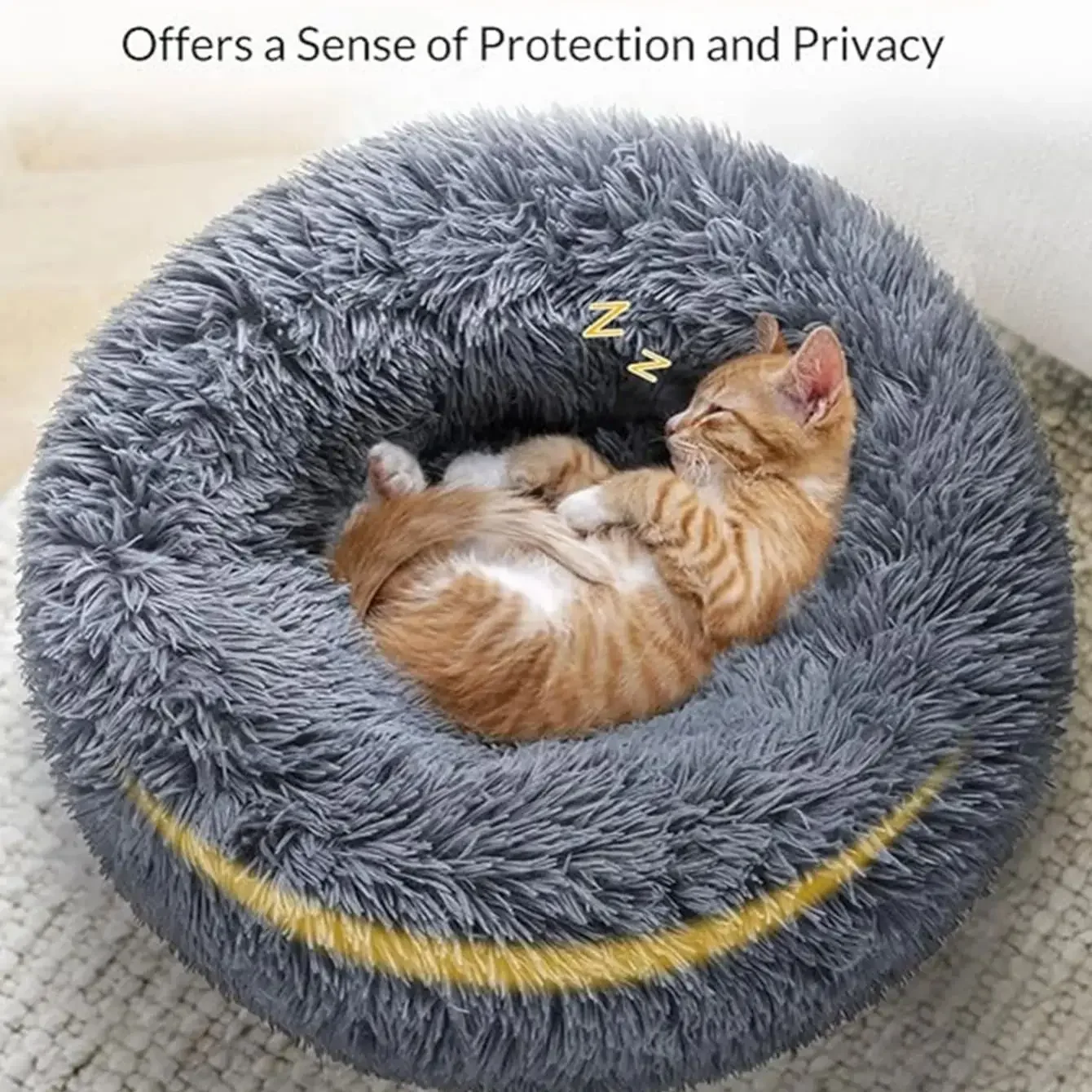
Calming beds reduce anxiety through three key design principles based on feline instinct and behavior science. First, the enclosed or semi-enclosed shape mimics a den or cave—places where cats naturally retreat when stressed. This “safe space” effect alone can lower cortisol (stress hormone) levels. Second, the raised edges (especially in donut-style beds) provide tactile feedback that makes cats feel contained and protected, similar to how they felt surrounded by littermates as kittens. Third, the plush, warm materials encourage a slower heart rate and muscle relaxation.
Studies on cats in shelters and rescue situations found that providing a hiding space (which calming beds with enclosed designs offer) reduced stress more rapidly than traditional flat bedding. Cats given these beds reached behavioral calm about a week sooner than those without them.

What Type of Calming Bed Works Best?
Not all cat beds are created equal when it comes to anxiety relief. The most effective styles include:
- Donut/Bagel Beds: Featuring a deep circular design with raised rims, these beds are ideal for anxious cats. The raised edges let your cat rest their head and feel surrounded.
- Cave/Enclosed Beds: Felt or fabric caves with an opening on one side provide maximum security, mimicking a true hiding space.
- Self-Warming Beds: These reflect a cat’s body heat without electricity, creating a cozy nest that feels naturally warm—comforting for fearful or older cats.
- Heated Beds: Electric heating pads offer consistent warmth, which can ease tension in muscles and promote deeper sleep.
For anxious cats, avoid flat, open beds. Cats under stress specifically need vertical edges and the psychological security of being partially enclosed.
Signs Your Cat May Benefit from a Calming Bed
Certain behaviors suggest your cat could gain from a dedicated calming bed:
| Stress Signal | What It Means |
|---|---|
| Excessive hiding or withdrawing | Your cat feels unsafe and needs a secure, enclosed rest spot. |
| Restlessness or frequent position changes | Anxiety is preventing deep, restorative sleep—a calming bed may help. |
| Excessive vocalization or meowing | A sign of stress or seeking reassurance; a cozy bed is a comfort tool. |
| Avoidance of family members | Shyness or fear; a safe bed gives them a retreat during adjustment. |
| Over-grooming or hair loss patches | Stress-related behavior; warmth and enclosure can reduce this. |
Placement Matters: Where to Put the Bed
Even the best calming bed won’t help if it’s in the wrong spot. Place it in a quiet area away from high-traffic zones—ideally a room corner, closet, or elevated spot where your cat can observe without being noticed. Avoid placing it near noisy appliances or where children play. Many anxious cats prefer quieter bedrooms or home offices. If you have a multi-cat household, give each cat their own calming space to reduce resource tension.
Integrating a Calming Bed into Your Cat’s Routine
Introducing a new bed requires patience. Don’t force your cat onto it; instead, place it nearby and let curiosity do the work. Rub a small amount of catnip or use a pheromone spray (like Feliway) to create positive associations. Some cats take a few days to weeks to adopt the bed as their favorite spot. Pairing the bed with a consistent feeding time or play session nearby can speed up acceptance.
For rescue or newly adopted cats, a calming bed is especially valuable during the first 30 days. It gives them a secure anchor point while they adjust to a new home.
Real Results: What Owners Report
Cat parents frequently describe improvements in anxiety after introducing a calming bed: reduced vocalization, longer sleep periods, less hiding, and calmer behavior during stressful events like vet visits or thunderstorms. That said, results vary by individual cat. A cat with severe anxiety or trauma may need additional support—pheromone diffusers, interactive play, or veterinary consultation—alongside a good bed. A calming bed is one tool in a broader anxiety-management toolkit, not a cure-all.
Choosing Quality: What to Look For
Not all calming beds deliver the same benefits. Look for:
- Non-toxic, washable fabrics (important for cats who overgroom or have sensitive skin)
- Raised edges (at least 3–4 inches) that provide genuine containment
- Orthopedic support for older or arthritic cats
- Water-resistant bottoms to protect furniture
- Size appropriate to your cat (too small feels cramped; too large reduces the cozy effect)
If you’re unsure, start with a mid-range calming donut bed or self-warming option, both of which combine proven comfort features with affordability.
The Bottom Line
Calming beds do work—for most cats. The science backs it: enclosed, warm, plush surfaces with raised edges directly address the root of feline anxiety by providing security, warmth, and a sense of control. While individual results vary, a quality calming bed is one of the simplest, safest investments you can make in your cat’s mental and physical wellbeing. Pair it with consistent routines, quiet spaces, and attentive care, and you’ll likely see a noticeably calmer, more confident companion.
FAQ
Do calming beds work for all cats?
Most cats benefit from calming beds, but not all. Results depend on your cat’s personality, past experiences, and the severity of anxiety. A cat with trauma may need additional support beyond just a bed, such as pheromone diffusers or behavioral training. That said, even anxious cats almost always appreciate the physical comfort and security a well-designed bed provides, even if the behavioral improvement is subtle at first.
How long does it take for a cat to adjust to a new bed?
Some cats claim a new bed within hours; others take a week or more. Patience is key. Introduce it gradually, use positive reinforcement (treats, catnip, praise), and give your cat time to explore on their own terms. Avoid forcing your cat into the bed, as this creates negative associations.
Can a calming bed help with travel anxiety?
Yes. Bringing a familiar calming bed on trips or to the vet can help your cat feel more secure in unfamiliar environments. The familiar scent and texture provide comfort during stressful events. Many cat owners pack a small calming bed in the carrier before vet visits or when traveling.